- Best for
- Shared living, temporary homes, students
- Cost
- Under $350
- Easy to pack
- Yes — fits several boxes, small van
- Time
- One weekend
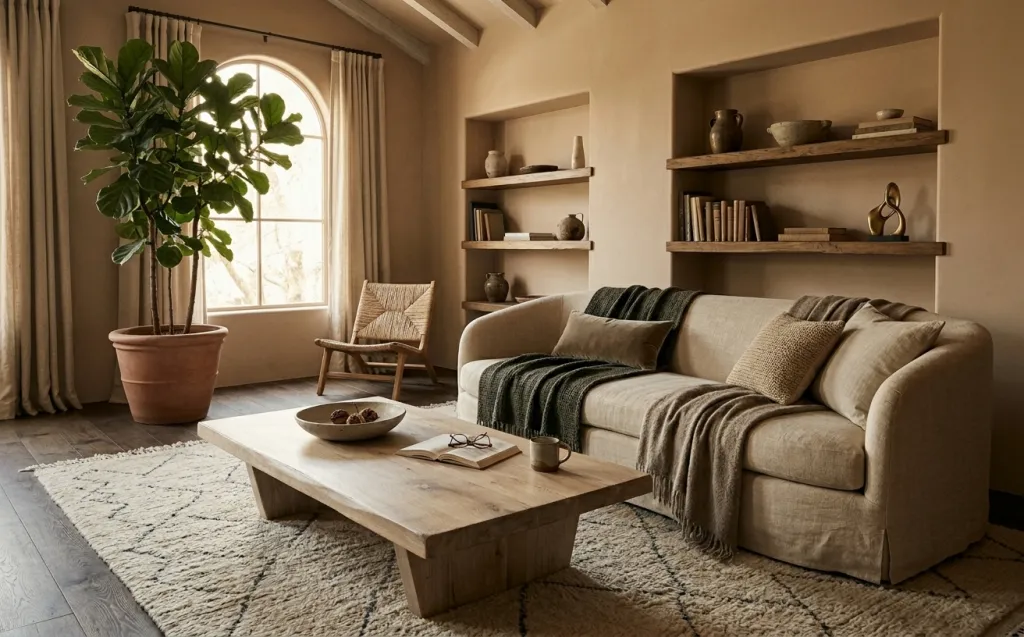
Why Organic Modern is the living room of 2026
The 'Organic Modern' aesthetic, with its blend of natural textures, earthy tones, and minimalist forms, is rapidly becoming the go-to for creating serene, inviting spaces. Think of the calming palettes seen in recent issues of Architectural Digest or Kinfolk Home, where muted clay, sandstone, and warm linen dominate. This style embraces raw materials like unfinished wood, woven jute, and soft cottons, creating a tactile experience that feels both grounded and sophisticated. For shared housing, this look is particularly achievable because it relies on portable elements rather than fixed fixtures. You can easily bring this sense of calm and collected style into your designated living area without painting, drilling, or heavy lifting, making it perfect for those who know they'll be packing up again soon.
Layer 1 — Sofa Styling ($70) Layered textures for instant comfort
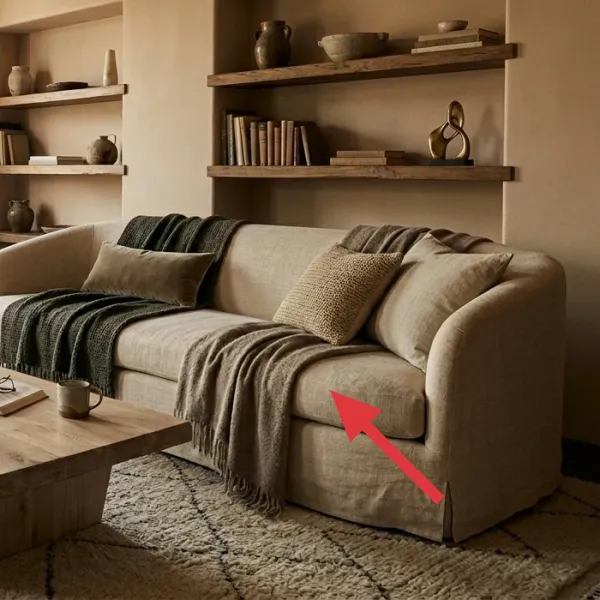
Even if the sofa isn't 'yours' or can't be moved, you can completely redefine its look with soft goods. Two lightweight throws in complementary textures and colors (like a chunky knit and a linen blend) add depth and warmth. Add a couple of accent pillows to tie into your chosen color palette and provide extra back support for lounging or studying.
The beauty of throws and pillows is their sheer portability. They fold down small, fit into any moving box, and instantly change the feel of any couch in your next place. Choose durable, washable fabrics that can stand up to shared living.
Smart textile choices
Look for throws and pillow covers made from cotton, linen, or acrylic blends. These are often more affordable, easy to wash, and lightweight for packing. Opt for covers with hidden zippers for a cleaner look that's easy to swap out.
Layer 2 — Area Rug ($70) Defining your zone with pattern
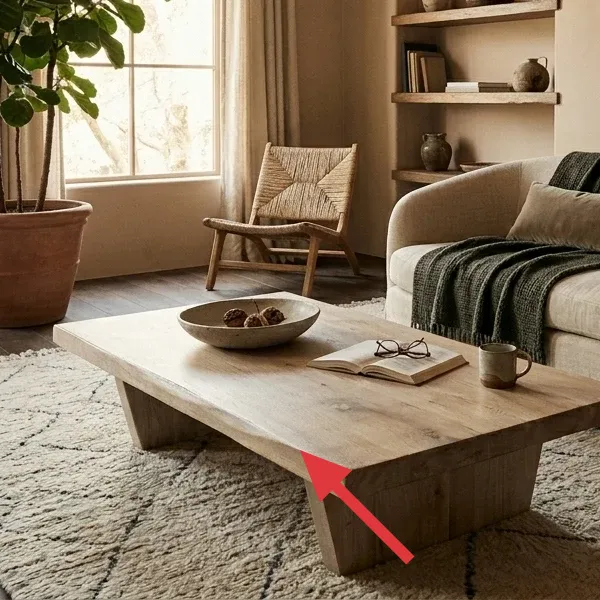
In a shared living space, an area rug is your best friend. It instantly defines your personal zone, adds a crucial layer of warmth underfoot, and dampens sound – a real plus in busy homes. This low-pile rug with a subtle geometric pattern brings visual interest without overwhelming the room's neutral palette.
When choosing a rug for impermanent living, prioritize something lightweight that can be rolled up and transported easily. Synthetic fibers or thin cotton rugs are excellent choices, as they're often more affordable and less cumbersome than thick wool options.
Rugs as room dividers
A rug is an essential tool for shared spaces, visually carving out your personal area within a larger communal room. It psychologically grounds your furniture arrangement and makes the space feel more intentional and 'yours'.
Layer 3 — Coffee Table & Decor ($40) Functional surface, easy to move
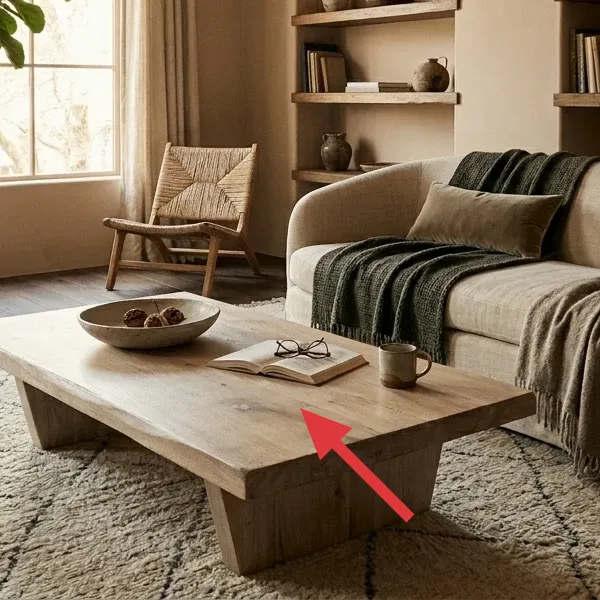
A coffee table provides a crucial surface for drinks, books, or a laptop, but choosing the right one for a temporary home is key. This look features a simple, sturdy wooden table, but for renters, a lightweight, foldable, or flat-pack option is ideal. Look for designs that dismantle quickly or are light enough for one person to carry.
Decorate your table simply with a few curated items that reflect your personal style. A ceramic bowl, a favorite book, and a mug create an inviting, lived-in feel without clutter. These small items are easy to pack and can be styled in various ways in your next space.
Avoid heavy, solid wood tables
While attractive, large, solid wood coffee tables are a nightmare to move. For shared housing, prioritize lightweight materials like particle board, hollow-core wood, or metal, or choose a table that folds or breaks down into smaller, lighter pieces for transport.
Layer 4 — Wall Shelves & Decor ($45) Curated display of personality
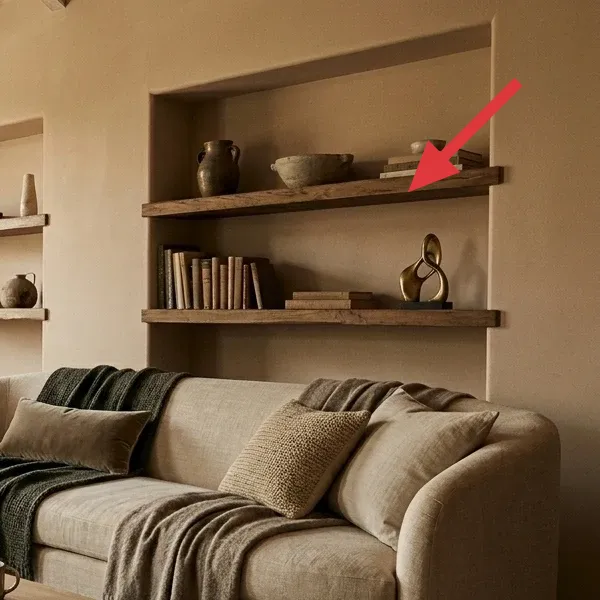
Built-in shelves are a dream for displaying personal items, but if your rental doesn't have them, consider a lightweight freestanding bookshelf or even just a well-styled dresser top. The key is to curate a collection of items that tell your story without drilling holes or adding permanent fixtures.
Mix textures and heights with thrifted vases, a unique sculpture, and a few favorite books. Keep the color palette cohesive to maintain a serene feel. This layer is where you can truly infuse your personality into the space, making it feel like home even if it's temporary.
Make it instead of buying it
Create a custom framed botanical print to add a touch of nature and personal style to your shelves for under $20.
- Purchase an 8x10 inch photo frame with a mat from Target or Walmart for about $8.
- Find a high-resolution botanical art digital download on Etsy for approximately $5.
- Print the botanical image on thick cardstock (available at most craft stores or Walmart for about $2) using a home printer or a local print shop.
- Carefully cut the print to fit the mat opening, ensuring clean, straight edges.
- Use spray adhesive (like 3M Super 77, around $5 at Home Depot) to attach the print to the mat's back or directly to the frame's backing board, ensuring it's centered.
- Assemble the frame, making sure the print is securely held. Place it on your shelf or lean it against the wall – no drilling required!
Total DIY cost: ~$20 — saves about $15-$25 over buying a similar pre-made framed print.
Layer 5 — Large Fiddle Leaf Fig Plant ($45) Bringing life into the room
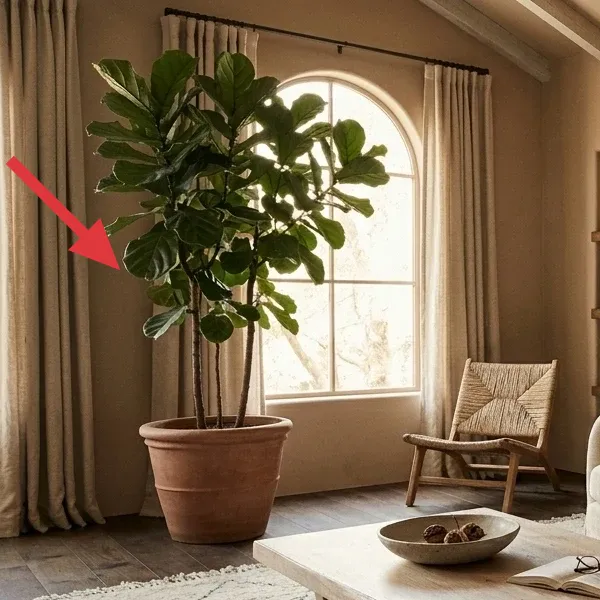
A large plant, like this Fiddle Leaf Fig, instantly brings life, freshness, and a touch of the outdoors into your living area. It adds a vibrant pop of green against the neutral tones and helps create a more organic, calming atmosphere. Choosing a real plant requires some care, but the payoff in terms of mood and aesthetic is immense.
When selecting a plant for a shared or temporary space, consider its light requirements and ease of care. Pair it with a lightweight, durable pot (like a plastic one with a terracotta look, or a fiber-cement pot) that's easy to move when packing up. If a real plant feels like too much commitment, a high-quality artificial plant can offer a similar visual impact with zero maintenance.
Choosing portable pots
Opt for pots made of lighter materials like plastic, fiberglass, or even fabric. While terracotta is classic, it's heavy and prone to breaking during a move. If you love the look, find a plastic pot with a terracotta finish.
Layer 6 — Window & Curtains ($35) Softening light, adding privacy
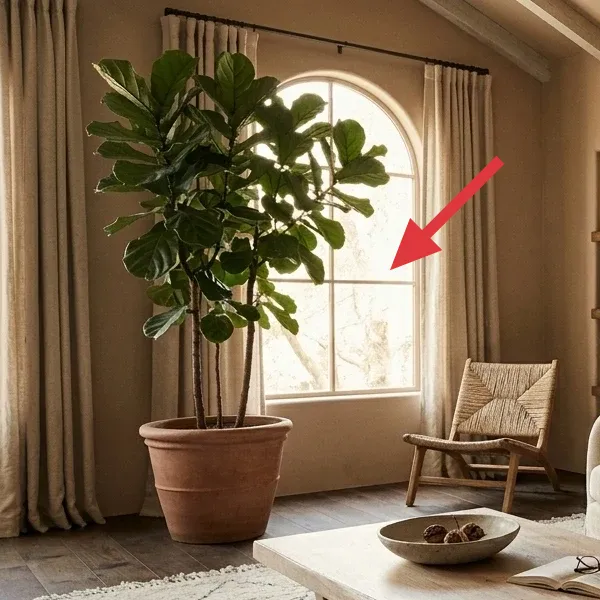
Curtains are essential for privacy, light control, and adding a soft, finished look to any window. For renters, the challenge is often installation without drilling. Tension rods are a fantastic solution, fitting inside the window frame without any permanent hardware.
Choose lightweight, neutral-colored panels that complement the room's palette. Linen blends are perfect for diffusing natural light while still offering privacy. They fold compactly, making them very easy to pack and reuse in a new home.
Renter-friendly curtain hanging
Tension rods are your best friend for curtains in a rental. They sit securely within the window frame without needing any holes. For heavier curtains or wider windows, a magnetic rod or a rod that uses strong, paint-safe adhesive hooks can also work.
Layer 7 — Accent Chair ($60) Portable seating with character
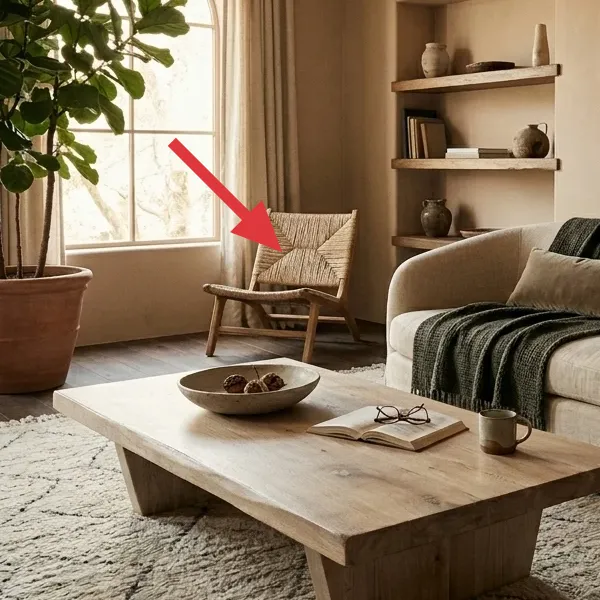
An accent chair provides additional seating and an opportunity to introduce a different texture or form into your space. This woven chair adds a handcrafted, organic feel that perfectly complements the overall aesthetic. It's a key piece for defining your personal corner within a shared living area.
For renters, look for chairs that are lightweight, foldable, or have a simple construction that allows for easy disassembly. Materials like rattan, woven rope, or lightweight wood frames are excellent choices for portability. A chair like this can easily move from a living room to a bedroom in your next apartment.
Foldable for the win
Prioritize chairs that are explicitly designed to fold flat or are exceptionally light. This makes them much easier to store and transport than bulky armchairs, fitting into a small rental van or even a car trunk.
The cost, layer by layer
| Layer | Item | Cost |
|---|---|---|
| 1 | Textured throw blanket (olive green) | $25 |
| Lightweight linen throw (tan) | $20 | |
| Velvet lumbar pillow cover + insert | $15 | |
| Knit accent pillow cover + insert | $10 | |
| 2 | 5x7' low-pile patterned rug | $70 |
| 3 | Folding wood-top coffee table | $30 |
| Decorative ceramic bowl | $8 | |
| Thrifted paperback book | $2 | |
| 4 | DIY Framed Botanical Print | $20 |
| Abstract gold sculpture (thrifted) | $15 | |
| Small ceramic vase (thrifted) | $10 | |
| 5 | 2-3 foot Fiddle Leaf Fig plant | $30 |
| Lightweight terracotta-look pot | $15 | |
| 6 | Linen-blend curtain panels (2) | $25 |
| Tension curtain rod | $10 | |
| 7 | Woven rope accent chair (foldable) | $60 |
| Total | $355 | |
If you're looking to shave even more off the budget, consider sourcing more items from thrift stores or Facebook Marketplace. A second-hand rug, a DIY coffee table made from crates, or even a larger collection of found objects for your shelves can bring the total closer to $250 without compromising the overall aesthetic.
What worked, what didn't (across the whole room)
This living room setup really nails the 'packable style' brief, creating a sense of home that’s entirely temporary and renter-friendly. We learned a lot about balancing aesthetics with practical constraints.
What worked
- The neutral color palette made it easy to mix and match budget-friendly items from different retailers.
- Focusing on soft goods like throws, pillows, and rugs created immediate warmth and texture without heavy lifting.
- Using a tension rod for curtains was a foolproof, no-drill solution for light control and privacy.
- The accent chair, chosen for its lightweight and potentially foldable design, added extra seating without being a moving headache.
- Thrifting for decorative items kept costs down and added unique character to the shelves and coffee table.
- The large plant brought essential life to the room and was easier to move than expected in its lightweight pot.
- Defining a clear 'zone' with the rug and accent pieces made the shared space feel more personal.
What didn't
- Sourcing a truly lightweight, yet stylish, coffee table within the budget required some searching.
- Reliance on existing wall shelves for decor meant less flexibility if the rental didn't have them.
- The Fiddle Leaf Fig, while beautiful, requires specific light and care, which might be challenging for busy students.
- Finding quality, affordable accent pillows with inserts proved slightly trickier than just buying covers.
- Some Command Strips can still pull paint, so specific foam-core recommendations are crucial for protecting walls.
- The overall aesthetic, while calming, might feel too subdued for those who prefer bolder colors.
What we'd skip if we did it again
If we were to do this project again, we'd likely skip the real Fiddle Leaf Fig plant in favor of a high-quality faux version. While the real plant is lovely, its specific light requirements and the need for regular watering can be a burden for a busy student or someone frequently away. A well-chosen artificial plant offers the same visual benefits without any of the commitment or potential moving day stress of a live plant.
We'd also probably skip the quest for a new, lightweight coffee table and instead opt for a creative DIY solution using sturdy, stackable crates or even a vintage trunk. The folding table was fine, but a thrifted trunk offers storage and a unique look, often for less money, and can be repurposed easily. It aligns better with the 'resourceful renter' ethos and is often just as easy to move.
Frequently asked
Can I really get this look for under $350?
Yes, by focusing on key, impactful items and incorporating smart thrifting, you can absolutely create a cohesive and stylish living area within this budget. Prioritize soft goods and lightweight furniture.
Are Command Strips safe for all walls?
While many Command Strips are great, always opt for the foam-core versions, especially on plaster or older painted walls. Test in an inconspicuous spot first to avoid paint damage during removal.
How do I make a shared living room feel like 'mine'?
Define your zone with a personal rug, a comfortable throw, and a small, portable piece like an accent chair or a dedicated side table. These anchor your style without infringing on communal space.
What if my roommates have a different style?
Focus on creating a distinct, packable zone within the larger room. Use a large rug to define your area, and select items that complement the existing decor without clashing, leaning into neutral tones.
What are the best places to find budget-friendly decor?
Target, IKEA, Walmart, and Amazon are excellent for new items. Don't forget thrift stores like Goodwill, Salvation Army, and Habitat for Humanity ReStore for unique finds, plus online marketplaces like Facebook Marketplace.
How do I make sure everything is easy to move?
Choose items that are lightweight, dismantle easily, or pack flat. Look for foldable furniture, soft goods like rugs and throws, and small decorative items that fit in standard moving boxes. Always think about how it will fit in a small rental van.